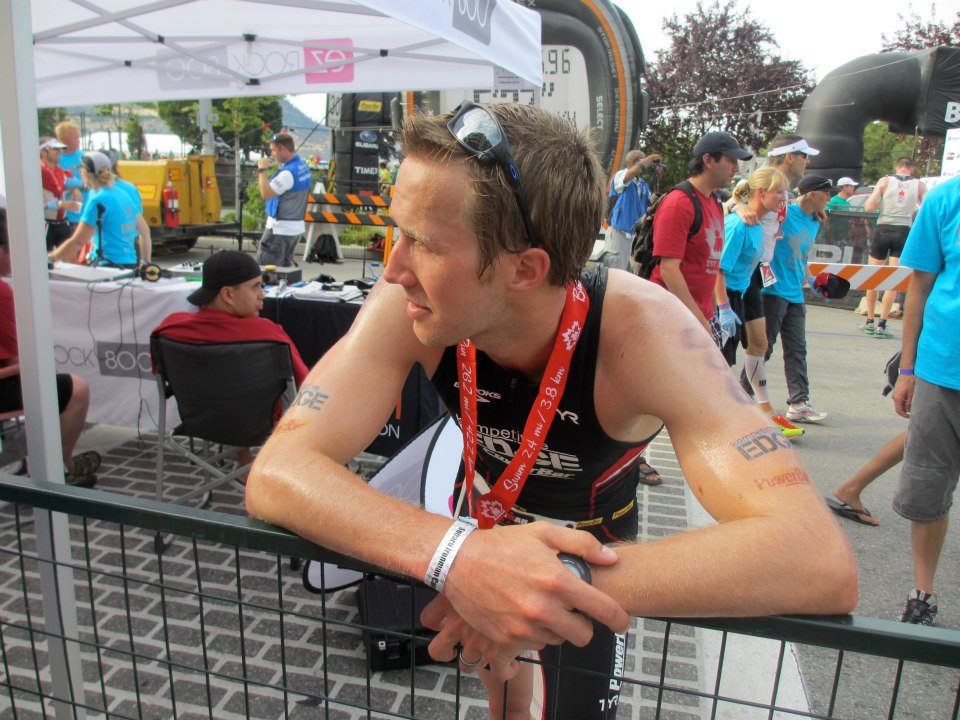
Life is good. It’s
been a long time since I’ve written, and a lot has happened over the past 4-5
months. I haven’t always had the energy to write, and certainly not the time to write with a new job as well as my coaching business and training, nor
did I always want to share my honest thoughts, as I didn’t always see them as uplifting,
encouraging, nor inspiring. I was struggling. Here I’ll
share a bit about my journey the past 6 months - how my triathlon world got
turned upside down, how I almost quit the sport for good, and how I am learning about the importance of a balanced life.
I want to share a journal entry I wrote early this
year back in April. Excuse the rather scattered thoughts and grammatical errors; I never planned on publishing it online. It’s an honest reflection
of my life as a triathlete, my recent struggles to find joy and balance in
life, and more. Since I wrote this entry, things have come back around. I'm finding more balance and getting back into the swing of normal training (well, will be once I can get a few injuries healed). I’ll pick up more after
the April blog entry; here it is. It’s a long one, so get ready to read a lot!
(Written in early April, 2012) " Five days ago I woke up and dressed myself a
bit differently than most days. Usually I get out of bed, eat breakfast, and
slip on a pair of cycling bibs ready to take on workout #1 of 3. Last
week was different. I put on my
nicest dress pants, buttoned up the dress shirt I had last worn on my wedding
day, and put on a tie for the first time since. I had an interview for an
accounting job at 10am. Filled with nervousness, excitement, guilt and fear about
the possibility of what could lead to a radical lifestyle change, I printed out
a few extra copies of my resume and drove to my interview. I arrived 15
minutes early, sat in my car in the parking lot, and thought to myself,
"this could change everything, couldn't it?" If I was offered
the job and I accepted it, I'd quite possibly throw away my triathlon dreams -
everything I'd worked towards for the past few years, thousands of hours of
training that I really never got to put into complete action with a top
performance - though part of me was completely fine with that. It was a job
that required about 60 hours a week. At the same time, a decent paycheck for the first time in a few years would be nice. I hadn't really been looking for work, but know I need to consider these opportunities, especially with how the past few months have gone. I've also had more than a few freak-out sessions lately thinking, wow I'm 27 years old and have no idea what I'm doing with my life! I have no career direction. I guess everyone has the mid-life crisis thoughts.
The past few weeks have been the
lowest weeks I've had in my 2 years of pursuing life as a professional triathlete- emotionally, physically, and mentally.
I haven't enjoyed what I am doing, and am extremely lonely. In fact, I told my wife I was done with triathlon for good. I've never dreaded
training so much as now. Last week was a very emotional week, for various
reasons, and a week where I spent hours analyzing my life as a
triathlete, how I got here, and fearing for where I am going in my future, as I feel lost with direction. I also spent a
few hours on the phone with some close mentor friends of mine (Steve Silverstein,
Trevor Stultz,and pastors Jim Domen & John Adams of Multisport Ministries), sharing my
thoughts with them.
A few people have asked me why my blog has been so
quiet the past few months with no updates. I've said I've been
extremely busy, which is true, but it's mostly because I've had so much on my
mind I haven't really had the energy to write anything. Today I
decided to use the blog to get my thoughts on paper. I may not publish this and may end up deleting it in a week or so, but there's something
therapeutic about getting everything out in writing.
I will start by saying I am extremely blessed. My life is amazing. I have been able to choose this triathlon
dream lifestyle and pursue it for the past 1.5 years - something not all
athletes get the opportunity to do. I pursued the goal of earning my pro
license, which I have done. I have raced all over the US, as well as in Canada
and Mexico. It’s been fun. I have been pursuing my dream of becoming a
top level professional athlete, but in all honestly it's only fair to myself to
acknowledge the struggles that I have faced recently in my journey, and the pressures and burdens I've felt from this lifestyle I've chosen.
Lately I've had fear of exposing these things, since I have a reputation to
withhold - as a person, athlete, and coach. I've said to myself, "I can't
let anyone know what's really going on inside of me as far as triathlon is
concerned. After all, I am a triathlon coach! What will my athletes think? What
about my friends, sponsors, family, coach, and everyone else I owe so much to for
supporting me in the pursuit?" When your whole identity is in something that seems like it's falling apart, it's not the best feeling. Much of my identity has to do with the sport (which is part of the problem).
I think these experiences I'm going through will enable me to
relate better with the athletes that I coach (and will continue to coach) when
they too are going through similar things - when motivation is low, and they may
be asking themselves, "why am I doing what I am doing?" I
understand my 'struggles' that I'm expressing here are small in the grand
scheme of things in life. Some may view them as irrelevant, because they’re 'not
that big of a deal.' I can respect that opinion, since there are many things that are a WAY bigger deal than how I am feeling about triathlon and myself as a person, but that said it's still relevant, because
this has been nearly my entire life the past two years – my entire focus and
energy.
During
this past year I have found myself undergoing enormous motivational swings as
far as triathlon training and racing goes. There have been weeks where I
have thrived and enjoyed "chasing my dream,” but there have been just as
many if not more, where I have hated it. This wasn't always the case at all,
but it has steadily changed to this over the past 6-8 months. I've understood
there would be times where I didn't enjoy the training; that is part of any
job, but this trend has lingered for many weeks, even months, and I am aware I
need it to change. I have forced myself to train 5+ hours a day, mostly alone,
day after day, for nearly two years straight, and slowly I am seeing that I am
losing the joy and passion for this triathlon lifestyle. I love the sport
of triathlon, and know I always will, but lately I have found some major flaws
in the lifestyle.
For me to become a top US triathlete,
I understand the need to train 30 hours a week. I have come to realize
this is what it takes, week after week, month after month, year after year, to
get to the top. There are always outliers, but in general, this is what it
takes for most athletes to reach that level of competition. After considering
driving to workouts, prepping for upcoming workouts, stretching, strength
training, icing, etc, it becomes a 40 hour work week - and that can add up to a
lot of hours spent alone on the bike, swimming laps staring at the black line
at the bottom of the pool, and running around. It’s what is required to
get to the top. Truth be told, it has become a VERY lonely lifestyle.
There are days in which I don't talk to anyone all day long other than a few
people at the pool, until I see my wife at night. Whenever people have asked
how long I'll continue to pursue triathlon, I've usually responded, "I'm
not sure." I know one thing, to succeed in the sport you must enjoy it,
and if the lifestyle and pursuit is no longer fun, then something needs to be
done.
I was warned about the risks of a pursuing a lifestyle completely dedicated to
triathlon. I was warned by friends and fellow triathletes, that when you put
everything into triathlon and things don't go your way, it can hit you
hard. And they're right! But at the same time when I made the decision to
train nearly full time (while starting a coaching business and small consignment sales
jobs to bring in some income, in addition to a slew of other odd jobs I've done
the past 2 years), I knew I'd rather invest a 100% effort and have a chance to
succeed, rather than a 50% effort in triathlon while working a full time other
job. I had already lived that lifestyle in my days in Santa Barbara when I was
pursuing my pro license, and it was not enjoyable when all I did is
work and train from 6am til 10pm, every day. I knew if I gave triathlon a half effort, my chances of succeeding in the sport would be low - and I was
willing to take the risk of going all in in order to have the best chance of success.
The past year I have longed to have a normal life again. I’ve missed the
things I once did - things like going skiing, hiking, playing volleyball,
traveling (not for racing), playing basketball, tutoring kids, getting involved
in the community more, at church more, or simply taking
the dog to the park on a Saturday instead of spending every Saturday training
all day by myself, which is my wife’s day off work. I miss that
lifestyle, but at the same time it's important to remember that I CHOSE what I
am doing, and that there are many triathletes who would die to have the
schedule and lifestyle I do. The reality is also that to be a successful
triathlete, it takes sacrifice, and if you're not willing to sacrifice, you
can't expect to have success in the sport. The past year, and especially
the past few months, my mind has been filled with thoughts and questions, and
I've begun to wonder at what point is the sacrifice worth it? I think
it's a valid question for all to ask. What is most important in life?
Everyone has to ask that for themselves, because we all value different things.
I think there is a ton of value in pursuing your dreams and passions, or I wouldn't
have done it.
When your mind is filled with confusion, doubt, and question, I think it's
important to ask yourself where these feelings and thoughts are coming from.
For me, I'm trying to figure out why I'm
losing the passion to want to win as a triathlete. Why am I losing interest in
pursuing what once were my dreams? Are my dreams still there or are they simply
changing? Or, am I simply sick of not earning a paycheck like I once did, and
sick of thinking about money all the time?
For me, I think the answers
are relatively simple. I think I have brought many of
these feelings upon myself. They're mostly self-inflicted. As I know, and as my
coach Melissa has reminded me, I am my worst own enemy. The past year and a half, I
have lived my life feeling an enormous burden on my shoulders, which no one
other than myself has put there. I felt this same burden to perform
athletically in college, when I was running often solely to impress my coach or
to keep my scholarship - not because I had a passion for the sport. I
live day to day with an enormous amount of guilt for what I am doing on a daily
basis in pursuing triathlon, without a paycheck, making us rely on my wife's income as a PE teacher. I am constantly thinking of
ways I can justify this pursuit in my mind. I am bombarded by thoughts about
how I can or cannot justify it, mostly because the lack of income earned by it.
Picture working hard for two years straight for no paycheck. In a way, this is
what I, along with many other triathletes, are doing - and after a while it can
really wear on you. You start to listen to the voices in our society telling you your
worth is based on the money you're earning, or the awards you're achieving.
After all, you don't earn anything simply by trying. You must try, and then you
must succeed and reach a goal with those efforts. There's no payment for simply "giving your best effort." I've added pressure to myself
in this area by thinking about my future and knowing I, and especially my wife, want to have kids in the
next couple of years. I am hit with the fear that my triathlon lifestyle will get in the way of
this desire due to the burden'I am causing financially by choosing sport over
the a steady paying job. Eventually, if we want to start a family, this must change. I feel immense pressure to perform on race day,
and pray often for a breakthrough race, because after all, I now have no
excuses left in the bag since I have all the time in the world to train, right?
Again, these are all self-inflicted thoughts. Not to say the pressure
shouldn't exist at all, but it certainly should be lessened since I have the full
support of those around me to do what I am doing. Not my wife, nor my family,
nor anyone else is putting these pressures on me; they're coming from within.
The truth is, there are a lot of young pro triathletes in the same situation as
myself, and frankly, I wonder how many have these same thoughts and feelings. Do
others feel the guilt of pursuing their dreams –placing a heavier financial
burden on their wives/families? I read athlete blogs, see their Facebook posts,
and sometimes I feel like everyone out there is trying to appear like they are
a true professional triathlete, that they've "made it" in the sport -
with sponsors, big results, etc, as part of a justification in their pursuit,
and are earning money doing so when in reality many aren’t. Hopefully that's not the case. I hope they
don't, because really it's unwarranted, and I think there's great honor is
pursuing a goal when so many people around them would choose the more secure
route - something that guarantees financial security and less risk.
It's tough because you need to train most of the day to succeed in the sport, but you also need to make some money to pay the bills. Most “pro” triathletes are not making any
money racing as in the professional division (many are actually spending $15-30k/year on travel, rental cars, hotels, race entries, coaches, equipment, etc) . The ones at the top are making a
lot of money, however - hundreds of thousands a year, or more. There’s a huge gap between the top in the world, and the rest. Most
of us pay our own way to get to races, and most come home without a paycheck.
Most don't have any financial sponsors. I had one last year at $200/month, which
was very helpful, but have none this season other than the chance to earn money
through Powerbar (which brought me $600 in 2011). I am very grateful for all my sponsors, whose who offer any level of support. Most pro triathletes find
ways to make money outside of the sport, or through coaching. Even if you do
earn a paycheck, if it's a race that pays the top 10 athletes, you often need
to finish in the top 6 just to break even on the trip after travel, lodging,
and race fee costs are factored in. The top men in the country make a great
living doing it, but those athletes all have been racing for years and years -
it's a sport that takes a long time to develop in. It's a sport far
from that of something like golf, where the top one hundred in the country are
probably doing just fine financially. Triathlon is a sport that athletes
pursue because they love it, and don't care about having a hefty balance in
their bank account, or else they wouldn't do it. They do it because of their
passion for it, and they don't care what other people think. And it's
because I know this that I can't help ask myself, "where has my passion
gone? Why am I not enjoying this like I used to?"
Identity
The past two years I have built much of my identity on the sport of triathlon.
My thoughts, actions, and conversations are about triathlon more than anything
else. Identity as a triathlete has resulted in pressure, a burden to perform,
and it has naturally led to poisoning my view of self-worth. When all you
think about, read about, and dream about is winning big races, it's easy to get
brainwashed in thinking your value is based on performance. For amateurs
pursuing other full time jobs and who view triathlon more as a hobby, it's
different. They aren't expected to win races; but when you give up everything
and put all the marbles in the triathlon basket, you're expected to win, or to be on the podium - and
with that comes pressure. It's not about being soft and the inability to handle
the pressure, but rather how the pressure seeps in and after years can affect
how much enjoyment there is in it.
Living in this lifestyle, I've felt the
need to justify to everyone why chasing a dream doesn't mean I'm being
irresponsible to my family. It's easy to slowly get a bit brainwashed and start
letting triathlon results affect our state of happiness, when we value it so much. It's even justified to
start feeling like our value as people is connected to our race day
results. The truth is my value as a person is not defined by triathlon,
nor performance in any career in which success is measured by awards, money, or
recognition. The truth is that my identity needs to be found in various things,
first and foremost being in my relationship with God. I am valuable because I
am a created by a master designer who has planned out my life. My faith in God
needs to be the most important thing in my life, not a sport, and not even
others, including my wife. She along with others needs to come second, and then come the other
things: my role as a friend, brother, athlete, and coach. When one's identity
is completely wrapped up in the wrong thing, it's easy to lose perspective in
life on what is most important. If I had the perfect perspective, then I
am pretty sure I wouldn't let performance or an injury in a sport or job affect
me as much as it has.
I've observed some
older pros, some of them live in Boulder still, who aren't racing at as high of
level anymore; but for their whole lives their whole
identity is in triathlon and they have so much fear of losing that. It's all they know, and they simply can't break free from
that identity, even when it’s time to move on.
Selfishness
I mentioned that the triathlon lifestyle has its flaws. It doesn't always have
flaws, but in my case it certainly does, and I know it does in the case of many
other pro triathletes. I have been told recently by several top
triathlon coaches who coach athletes whose goal is the Olympics, that to be a
successful triathlete and to have a shot at the Olympics, you need to be a very,
very, very selfish person. You need to structure your life completely around
your own needs: your training, your food, your massages, your recovery time, YOUR
everything. You need to pay attention to every detail that will make you a
better athlete. I couldn't help thinking to myself, 'well that sucks, so you're
a great triathlete, but the road to get you there means you're the most
self-absorbed person ever'. I don't ever want to be like that. Who does? Again,
there are outliers and exceptions here, but many people who achieve great
things in sport are some of the most selfish, egocentric people you'll ever
meet. Is it worth it?
Last week I came home from my job interview lower than I had been in a long
time. I felt completely lost in life, having no clue the direction I am going,
much less the direction I even want to go, and guilty for losing motivation
having the thoughts about triathlon that I've been having. I went out to ride
my bike to clear my head, and I noticed the mail had just been delivered. I
opened the mailbox, pulled out the latest issue of Inside Triathlon magazine
(May/June 2012), and happened to open it to the very last page. There was
a short article written by Ironman Kona champion Tim DeBoom titled A New Perspective: A Major Life Change
Helped Me See My Triathlon Journey Differently. I read the article
there (which I recommend you read), sitting on my bike on the front porch before
the ride, and I thought to myself 'this is EXACTLY how I am feeling right now.
He is totally right.' DeBoom describes what happens to many pro triathletes,
living in this self-consumed lifestyle:
"I often wonder how
that selfishness transitioned into my adulthood. How did it go from hiding
Legos from my big brother, to, "My time is more important than
yours!" When did everything I do become a priority over anything or anyone
around me? Did it start with triathlon, or even earlier when I would beat
myself up over poor swimming results and even practices? I will readily
admit trying to be the best in triathlon, or any sport for that matter, is not
an entirely healthy endeavor. Physically, emotionally and socially, it is not
altogether beneficial to one's well-being. We punish our bodies, suppress our
minds and abuse those around us with our egotism."
He talks about the way he changed
over the years, and had turned into a person he didn't like - someone so self-absorbed
that he was unpleasant to be around. He adds "I can sincerely say I am
not particularly fond of who I was. I would go so far as to say I would not
want to hang out with myself 10 years ago." Over time the lifestyle
wears on us, and we don't always realize it. It begins to change us, and can
transform us into extremely selfish and unattractive people. Everything is
about us. Triathlon has ruined hundreds of marriages - at the pro level
but just as much at the amateur level. We often fail to see how our personal
athletic pursuits are not priority over our relationships, but we convince
ourselves deep down that it's what truly matters most.
I fully believe that of the reasons why over the past year I have fallen
relatively unhappily with myself is because my life is completely selfish, and
I have told myself that it's okay because it's my only shot of achieving my
goals in sport. In reality, my life is becoming so unbalanced that it is
hurting my chances for success. Sometimes when you take a bit of pressure
off of yourself, and realize that other things in life are WAY more important
than a race result, you gain perspective, enjoy everything more, regain passion
you once had, and become way more appreciative of the opportunity you have to
compete as an athlete. Therefore, you may even end up doing better in all
you do. My daily schedule consists of this: I wake up, eat breakfast,
ride my bike, head to the pool to swim, come back home to eat lunch, spend a
few hours working on coaching stuff and listing things to sell (I sell bikes
and gear for people, a small consignment gig I've started to bring in a bit of
extra money), head out on my run, eat dinner, respond to coaching emails, and
then go to sleep. Two years of this on a daily basis, and it gets
wearing. Almost the entire day is spent on my own tasks. When you live mostly
focused on yourself, life begins to feel a bit empty. I don't think we were
created to focus on ourselves, in fact, if you look at the life of Jesus, he
came "not to be served, but to serve others."
This past week it has really become evident that I am not who I once was.
I am not as happy. I don't smile as much. I don't feel as good about myself. My
confidence is lower than it once was. I am not social. I don't see my
friends much, nor have the desire to that I used to. I do not help others much.
I don't volunteer time serving people, hanging out with the homeless, doing
service projects or donating my time to those in need. I have skipped close
friend’s weddings to train or race. I don't have the desire to go out of my way
to help others on a project they're trying to finish; I find myself choosing
training all the time over helping a friend move into a new house, for example.
I don't simply enjoy riding my bike, or going on a run, like I used to. My life is out of balance.
Like DeBoom says, my time is more important than anyone else - all in hopes
(with no guarantees) that one day I'll cross the finish line at the front of a
major professional triathlon.
I recently started to ask myself: what if that did happen? Then what? Is that
fulfilling - crossing the finish line in the top 3? Then would I gain instant
happiness? In my mind I say yes, but deep down I know that feeling alone is
still empty without everything else in my life. It's a lifestyle in which
one can become so self-absorbed that it can drain you dry, change your
attitude, and make you lose perspective.
Three years ago I wanted to earn my pro license and become a professional
triathlete. I left my accounting job in Santa Barbara, moved to Denver and
lived in my sister's basement. I trained. And I trained hard. And I loved it.
There was a goal in sight, a tangible goal - to earn my pro license. Today I
find myself asking, what is the goal? What is the next measure of success? If I
do reach that goal, was it worth it if this lifestyle has changed who I am,
left me with a few less friends and very little balance in my life, and led me
to life with a huge burden and pressure to succeed as an athlete - so much
pressure that it has caused me to dislike the lifestyle I'm living - a
lifestyle I chose?
Two weeks ago I raced the Ironman 70.3 Oceanside, CA half ironman distance
race. It was the first race of my season, and my second ever at that distance.
I spent a few thousand hours training alone the past 6 months for the 2012
season. I was left unhappy with my results from last year, and decided 2012
would be the breakthrough season. (I am still hoping that it will be, somehow). I came home from this past race feeling the same way I
did after many races from last year - discouraged. After an improved swim, an
average bike, and getting sick on the run from taking in too much salt (needed
for muscle cramping issues), I crossed the finish line a good 12 minutes slower
than my goal. Vomiting at mile 2 of the run, I almost dropped out; but I forced
myself to shuffle just under 7 minute mile pace for the next 11 miles and
finish the race that I had started, coming in at 4:24. I went straight
through the finish line to the bike racks, grabbed my bike and headed to my
rental car. I took apart and packed up my bike in a Burger King parking
lot, drove to the airport and flew home feeling sorry for myself, frustrated,
and thinking "how am I going to explain this to everyone?" After all,
I have no more excuses, I can train as much as I want now, which means I have
no choice but to perform on race day. The next morning I was unable to
walk getting out of bed. For five days following the race, I was unable to walk
around. I had bruised my heel somehow in the race, and was forced to take the
next 14 days off of running, which didn't help my mindset as I was already discouraged
- so much I contemplated throwing in the towel as a pro triathlete.
The week following the race, once again all these thoughts that I've decided to
share here in writing have surfaced, as they have many times before. I am
not enjoying this anymore, and the fire I once had for this pursuit is down to
a dull flame. I am injured also. Another factor was that I was approached about
an accounting job - one that would likely require up to 50-60 hours a week of
work. Six weeks prior when I was first contacted about the job, I told
the employer I wasn't interested, as timing wasn't right - I told them I am
pursuing triathlon racing and training currently. I don't want regrets, and
want to give triathlon an honest effort. The week after the race, I was
contacted again by the employer, and encouraged to come in for an interview,
which I did. Options are always good, and the thought of a steady
paycheck didn't sound too bad either after several years without, if I was to
get offered a job. I'm writing this on a Monday night. I was supposed to
hear back about the job today, and have heard nothing. If I'm not offered
the job, which it sounds like might be the case, it makes the decision very
easy. If I was to be offered and take the job, my entire lifestyle would
drastically change, and to be honest, I don't think working 55 hours a week in
an office is going to do me any good in my search for balance in life. Part of
me would feel relieved, almost an excuse to escape my triathlon lifestyle and
an answer to all my thoughts and doubts. But with that, what if I looked back
in regret, knowing I never really made it as a triathlete either; and worst of
all, knowing that my ups and downs of motivation over the past few years got in
the way of me giving 100% effort to the sport. I tell myself that I'd
keep racing, but the reality is that I know if I was working 50+ hours a week
in an office, I'd rather come home and be with my wife than train all night
after work. I lived that lifestyle 3 years ago, and after 10 months of
it, I completely lost balance in my life and stopped enjoying it as much, and
that was when I was single.
I'm not really sure what the future holds to be honest. A few weeks ago I ended
up telling my wife I was done with triathlon. “It’s all over, I said. I’m not
happy. I’m done with it for good.” I was lying in bed talking to her about it,
totally drained. Honestly, saying that felt really good. It felt right. When
the words came out, I felt a burden lifted off my shoulders. I told her I was
done with it, and she supported me as always.
Fast forward a few weeks to now…I'm
not quitting triathlon racing right now, at least I don’t think so. Really, I’m
not ready to decide yet; I will keep putting one step in front of the other
until I feel like I'm called in a certain direction. I want to get the fire
back and passion to want to win races, though honestly I don't really know
where to look or how to make that happen right now. I've always believed
it's important to enjoy something like this or it's not worth pursuing.
Though I also believe in using your abilities to the fullest. Perhaps
some balance in my life is needed. Maybe trying to find a steady 30-40 hour a
week job that I can put some focus into might help. It would take off some pressure,
give a bit more financial security, and likely help me enjoy racing again
simply because I love the sport, and because I want to use the talents I've
been given, without the lonely lifestyle that comes with being a full time pro
here or the pressure to win. I've got a lot to figure out, but I've
learned a lot the past few weeks. I've been reminded that I chose this
lifestyle, and that no one is making me do it, and that triathlon isn't the
most important thing in my life - it shouldn't be. Living for others
should be, as well as my wife.
Whatever happens, I know I’ll look back on this time of my
life and smile, remember when I gave up everything to pursue professional
sports. I’m sure I’ll move on from this lifestyle, someday soon or in a few
years, taking a lot of lessons learned with me. I’m so thankful for the people
I’ve met the past few years from my involvement in the triathlon world in both
Santa Barbara and Denver. I’ve developed so many relationships because of this
sport, and have been lucky to have the support I’ve received."
That was all in April. Today is August 20th. My life has changed
a lot since I wrote that draft, and since the day I told my wife I was done
with triathlon altogether. I have learned a lot about myself, about the need
for balance in life, and the importance of trusting that God will provide
direction. I have not quit the sport, and I am finding the joy again and excited to get back racing at the professional level. I’m learning
to have fun with it and the importance of balance, and seeking out others to train with. I haven't figured everything out, but I’m learning the importance of living each day with joy. Life is too good
to live without joy, and too short to stress about and try to plan the future. Life is too short to not enjoy what we are choosing to pursue.
I went through various accounting and finance
interviews in April & May, and applied for many other jobs, only to
eventually realize the cubicle lifestyle wasn’t calling me just yet. Honestly,
I knew deep down I still had a burning flame to race competitively still, and there was a lot of fear in the thought of landing an office job with zero flexibility in schedule - it's hard to train while being micromanaged and having to put in 50-60 hours a week in the cubicle . I remember walking out of a 3rd interview for a real estate accounting job thinking to myself, "I'd be miserable in that office, working with those people."
In need of bringing in a bit more income, it was hard to step away from those options, since jobs are hard to get right now. Eventually I withdrew my name after a 3rd accounting interview, and also for another job in finance, and decided to let go of my need to try to "plan" my own life and simply trust my gut feeling that it's important to pursue something you enjoy, and not simply take a job for the paycheck.
There was, and is, still uncertainty in figuring out how to pull off a steady paycheck while having some flexibility in schedule and maintaining life balance, and doing something you enjoy. I know maintaining balance will always be something I’ll have to work hard on, with work, family, training, etc. I also know I won't be stopping racing any time soon, I feel like it's in my blood, so will have to continue to learn how to combine high level training/racing with everything else going on.
That week of the interviews, I also thought hard about my coaching business. I love helping athletes succeed in sport, and I couldn’t
just quit the sport nor throw away my coaching business that I’d built up. It's a job with meaning. Helping others succeed brings meaning. Triathlon is my love and also where my knowledge is. One day that week I decided to let go of the burden to try to take total control of my future myself, and simply trust that it will work out. I am a
believer in God. Many of my friends aren’t, and they don’t always understand my
way of thinking, which is fine; but after a prayer for direction I had 8
athletes contact me in the next 2 days inquiring about my coaching services.
That was after about 1-2 athlete inquiries total in past 3-4 months. It was
then I committed to continuing to grow my coaching business, which still is
what I am doing.
An unexpected blessing
that has come has been a second job working for a roofing company.
A good opportunity came along from a friend & one of the founders of the Denver Triathlon, Matt Miller. Matt also started the
C Different Foundation for blind triathletes, and I got connected to him and his company Acumen Contracting Group as a guide for Aaron Scheidies at the race. I had sold 2 roofs for another company previously, a very part time gig. There was an opportunity to make it more of a full-time job with this company, at least for a little while, while the coaching business continues to grow. Roofing sales is something I said I’d never do, but funny enough it’s been a
huge blessing and a good fit right now. And, I enjoy it. I have enjoyed meeting new people every
day. It’s not until you’re out in the world and around all types of people that
you realize the potential to impact them – no matter your vocation. In my first
week, I spent time with a lady whose son had committed suicide, a man battling
cancer, and a former pro runner from Kenyan – who made us smoothies in his
kitchen while we chatted about life in Africa. Today, I had a conversation with a 17 year old young man, which started by me telling him he shouldn't smoke cigarettes (yup ;), and led to him talking to me about his struggles as a father of two, trying to provide, and how he needs to smoke to relieve his stress. There are lots of opportunities to reach others, not preach to them, but simply be there to listen to them about what's going on in their lives. Pretty cool stuff.
I also spend a lot of time daily with some of the hardest working people in America. Many are from Mexico, and I've enjoyed using my Spanish again. Spend a week with roofers and you'll see really quickly what true work ethic looks like. The roofing gig has been an unexpected
blessing, and sales are going very well. It’s hard work, but good and has
given my life a bit of balance. Though I’ve been working over 50 hour weeks
lately (that's what happens when you put a triathlete in a 100% commission sales job...I'm way too competitive to let other people steal business), it’s been good to focus on something other than triathlon while my
injuries have been healing. That said, there have been times where work has become out of balance as well. I think maintaining balance will always be something I will need to really focus on.
Back in March I signed up for Ironman Canada, which is on Aug. 26th, after my father-in-law
challenged me to race it with him. Since then, I have only done 1 race other than the Ironman 70.3 California (as a guide for blind triathlete Aaron Scheidies in the Denver Triathlon). I had cancelled all plans to do
the Ironman due to the events of the past months, in addition to various injuries I’ve
had all summer. Since my half Ironman in March, I’ve been dealing with a bone spur, a calf
tear, and now a knee injury. It has been one thing after the next. I have only run probably 8-10 times
now all summer, and seen 4 different doctors. I've done dry needling, gotten x-rays, done physical therapy, chiropractic work, kinesio taping, etc. It's almost as if it's the injuries are God's way of waking me up, and teaching me there are more important things in life, and that I need a break, and a bit of balance. Then pain is variable – some days
not too bad, other days a lot worse and hard to run (the day's I have tried). It's been a good wake up call, and has given me time to focus on some other things the past few months other than training/racing, like the coaching business, roofing job, and my wife.
The time away from consistent training and racing also has helped me realize how passionate about the sport that I am. I am excited to get fully healed and get back into training fully, yet with more balance that before.
During the past few weeks, I've also been tugged in the direction to do everything possible to finish the Ironman that I had committed to do back in March. There is something about finishing what you committed to doing. There's something about a challenge that you know you're not ready for, but your believe you can get through it, that makes you get to the starting line. I'm not the fittest, I have not trained properly, and I'm not 100% healthy, but I'm going to Canada this weekend to give me best effort to do what I signed up to do. I know I will be sore, and possibly come back slightly more injured (hopefully only slightly ;)) than I am now. Unless I get to a point on the run where I know I will make my injuries extremely worse, I'm going to do all I can to finish the race and give my best effort. I've never done an Ironman; I've never run over 19 miles in a single day, much less with a 2.4 mile swim and 112 mile bike prior. I haven't run more than 13 miles in a long time, and struggled through 13 this morning due to my heel spur and knee pain, and have run less than a dozen times this summer. As a coach, this is where I say "do as I say, not as I do!" As I said, there's something telling me I need to give this a shot and finish what I started.
As always, thank you to my family, friends, sponsors (especially Jared & crew at Kompetitive Edge), and athletes I coach for the support.
-Ryan

 From January through May, I filled my days with swimming, LOTS of cycling, coaching, and a few months of real estate school. I moved on from my previous job and yes, I went back to school! I had been working in and around homes for years, and actively been involved with sales for several years. Since studying real estate in college and well before the day I gutted and remodeled my house with my brother (think trashed, urine stained, disgusting distressed house that has been totally brought back to life with a year and a half of TLC), I've had my mind on real estate. I've also hand my hand in managing various full home remodels the past few years. I love transforming homes and helping people find a home that's a fit. Getting licensed was always something I wanted to do, and it's something that I needed to do. It was the right time. I was initially held back the past few years a bit by fear of a paycheck tied to a full commission job (similar to my job last year), but ended up moving forward since real estate is what I love and what I want to do; no sense wasting time working in a field where you have no passion and things feel a bit stale. I experienced a bit of this working a few years in accounting out of college. I loved working with numbers and detail, but I yearned for more interaction with people. You have to do something where you feel you can help people, and that your efforts are valuable. I passed up a few real estate opportunities last year since I wasn't licensed, another factor influencing my decision to become a realtor, but a lot of why I got into it was due to the opportunity to build relationships with people. Relationships are what I love. I love that real estate is not about selling someone a useless product, it's about having a hand in fulfilling a need. After real estate school came studying and prep for the state and national exam to get licensed, which was followed by office training and getting everything up and running on the real estate front - joining a managing broker, getting licenses in place, insurance, association applications, website up, business cards designed and made, for sale signs made, and diving in full force. I decided to partner with Keller Williams Realty as my managing broker. KW is a company backed by great people, with great ethics and support, and the DTC office is about 10 minutes from home. It's the largest real estate company in the US terms of agent count, and has been a good fit so far. I founded Podium Properties, my business I operate
 .JPG)

 I'm not exactly sure what happened 9 months ago in Denver. Well, I am, but I'm not sure why. Did Denver have a crazy snowstorm where no one could get to work? Was there a Barry White concert nearby? Maybe. All I know is the labor and delivery unit was packed. All rooms were full so we joined 2 other ladies in the backup triage room for about the first 7 hours. There were curtains between us and the other two and a small divider wall, so it wasn't bad at all - though after the doctor was explaining C section procedures and instructions to the lady next to us, I thought things were about to get crazy. They moved her down the hall for her delivery, so we didn't get to hear the play by play. A regular delivery room opened up in the evening, and Amy was moved from the small space to a fancy hotel style room.


.JPG)
.JPG)
.JPG)
.JPG)
.JPG)


.JPG)


.JPG)